При обработке листового металла средней и большой толщины, как правило, используется технология горячей прокатки, при этом основным методом изготовления является прокатка. Обычно применяются стали марок Q235, Q345, различные высокопрочные стали и аналогичные. Для уменьшения дефектов поперечного сечения, возникающих при резке, резка производится при высоких температурах, обычно от 400°C до 700°C.
Четыре основные проблемы при интенсивной резке ножами.
1. Высокая температура: При высоких температурах мартенсит в инструменте подвергается отпуску и распадается на феррит и крупные карбиды, что приводит к размягчению матрицы. При 400 °C цементит (Fe3C) начинает укрупняться и терять эффективность; в результате лезвие теряет твердость и выходит из строя.
2. Оксидная окалина: Наличие окалины из оксида железа на поверхности горячекатаных листов приводит к усиленному абразивному износу инструмента. Режущая кромка ножа постепенно закругляется, теряя остроту, что, в свою очередь, непреднамеренно увеличивает зазор между инструментом и приводит к образованию более крупных заусенцев на стальном листе.
3. Усталость: Твердость оксидного слоя на поверхности пластины значительно выше, чем у основного металла; он хрупкий и абразивный, и поэтому является основной причиной износа и поломки режущего инструмента. В то же время, условия резки с термоциклированием усиливают усталостные эффекты.
4. Ударная нагрузка: Что касается ударной нагрузки, толщина горячекатаных листов обычно неравномерна, и хрупкая оксидная пленка разрушается при ударе, что приводит к локальным пикам напряжения на режущих кромках; при многократных ударах микроскопические дефекты режущей кромки увеличиваются, так что от ножа отслаиваются небольшие кусочки поверхностного материала, и происходит сколы на режущей кромке. Мишени для резки толстых листов.
В условиях вышеуказанных сложных производственных процессов сталелитейные заводы сталкиваются со значительными трудностями в достижении заданных критериев резки:
1. Заусенцы от среза составляют менее 3–5% от толщины пластины.
2. Допуск по длине листового металла после резки составляет от плюс-минус 0,5 до 1 мм, а разрез должен быть перпендикулярным.
3. Чистый поперечный срез без разрывов, узелков или обрушения краев.
4. Срок службы лезвия, позволяющий осуществлять серийное производство с низкой частотой смены инструмента.
Легированный состав и характеристики инструментальной стали H13
Для решения сложных задач, связанных с резкой тяжелых листовых материалов, компания LCKNIFE выбрала инструментальную сталь H13 (1.2344, 4Cr5MoSiV1) благодаря ее выгодному составу.
1. Углерод (C: 0,32–0,45%): Способствует закалочной твердости матрицы и основной износостойкости; среднее содержание углерода обеспечивает прочность ножа, не вызывая при этом хрупкости.
2. Кремний (Si: 0,80–1,25%): Улучшает закаливаемость ножевой стали, повышает стойкость к окислению и термической усталости. 3. Марганец (Mn: 0,20–0,60%): Способствует закаливаемости инструмента.
4. Хром (Cr: 4,75–5,50%): Обеспечивает превосходную закаливаемость, образует карбиды хрома и обладает хорошей устойчивостью к окислению при высоких температурах в ноже.
5. Молибден (Mo: 1,10–1,75%): Предотвращает размягчение режущего ножа при отпуске и является основным элементом для вторичной закалки. · Ванадий (V: 0,80–1,20%): Образует стабильные, мелкие карбиды VC в ножах для продольной резки. Он уменьшает размер зерен и помогает стали противостоять износу при высоких температурах.
Штамповая сталь H13 для горячей обработки, используемая в режущих инструментах, содержит сбалансированное соотношение 5% хрома, 1,5% молибдена и 1% ванадия. Такой состав сплава обеспечивает ножу исключительную закаливаемость и устойчивость к термическому растрескиванию. При температурах до 600°C ножи из стали H13 сохраняют твердость выше 48 HRC. Износостойкость ножа в три-пять раз выше, чем у обычных инструментальных сталей для ножей, а ударная вязкость после термообработки может превышать Ak 50 Дж, обеспечивая оптимальный баланс между твердостью и ударной вязкостью.
Основные причины высокой температурной стойкости H13
1. Вторичный пик упрочнения: При закалке стали H13 образуется высокотвердый мартенсит; при отпуске при температуре от 500 до 600 °C молибден и ванадий вызывают осаждение наноразмерных карбидов сплава (Mo2C и VC) из пересыщенного мартенсита, причем мелкие частицы препятствуют скреплению границ зерен, в результате чего твердость восстанавливается или даже увеличивается, тогда как в других сталях твердость снижается.
2. Стабильные высокотемпературные карбиды: карбид ванадия (VC) имеет чрезвычайно высокую температуру плавления и не склонен к укрупнению даже при 700 °C; в отличие от обычного цементита (Fe3C), который начинает укрупняться при 400 °C, упрочняющие частицы H13 поддерживают твердость ножа ниже 400–650 °C.
3. Стабильность измельчения зерна: Cr и Mo предотвращают перемещение границ зерен в ноже ножа и, таким образом, препятствуют росту зерен при высоких температурах; более мелкая зернистая структура повышает устойчивость ножа ножа к высокотемпературному размягчению.
4. Устойчивость к окислению и обезуглероживанию: Значительное снижение твердости режущего инструмента происходит из-за обезуглероживания. Хром и кремний образуют плотную защитную оксидную пленку на поверхности ножа, что уменьшает поверхностное пригорание и обезуглероживание.
Типичные области применения лезвий H13
Инструментальная сталь H13 широко используется в производстве металлургической продукции.
Типичные области применения резки включают:
Резка толстолистового металла, резка горячекатаных рулонов, резка по длине, крокодиловая резка, резка высокопрочного листового металла, вогнуто-выпуклая резка, дуговая резка, летающие ножницы, козловые ножницы, резка металлолома, резка гидравлических цилиндров.
Инструменты для резки H13. Процесс термообработки.
1. Выбор материала: Выберите электрошлаковую переплавленную сталь H13, а затем методом ковки придайте ей необходимую форму заготовок для ножей.
2. Отжиг: Нагрейте сырье для изготовления ножей до температуры от 860 до 890 °C и выдерживайте в течение 2 часов; затем охладите до температуры от 740 до 760 °C в течение 4 часов в изотермическом режиме; после этого охладите в печи примерно до 500 °C, а затем охладите на воздухе.
3. Предварительный нагрев: перед закалкой следует провести два этапа предварительного нагрева (при 600–650 °C и при 800–850 °C) для снижения термического напряжения ножа.
4. Закалка: При изготовлении инструментов, ориентированных на повышение ударной вязкости, нож для резки нагревают до температуры от 1020 до 1050 °C, а затем охлаждают в масле до достижения твердости от 54 до 58 HRC. Для инструментов, где твердость является основным параметром, нож для резки нагревают до 1050-1080 °C, а затем охлаждают в масле до достижения твердости 56-58 HRC.
5. Закалка: при температурах 500–530°C твердость ножа составляет 51–54 HRC, при 530–560°C – 48–52 HRC, а при 560–580°C – 47–49 HRC.
6. Тройной отпуск: После проведения двух циклов отпуска с помощью ножа-резака, проверьте твердость по Роквеллу, а затем проведите третий отпуск при температуре от 550 до 560 °C для удаления остаточного аустенита и снятия внутренних напряжений.
7. Криогенная обработка: Криогенную обработку ножа следует проводить между закалкой и первой стадией отпуска, чтобы превратить остаточный аустенит в мартенсит, тем самым повышая микроструктурную однородность, твердость и стабильность размеров.
Параметры процесса резки керна
1. Метод резки в основном состоит из поперечной резки и продольной резки.
2. Зазор между режущим ножом: Зазор между лезвием и пластиной (боковой зазор) динамически регулируется и составляет около 8 процентов от толщины пластины, при этом большие зазоры используются в случае высокопрочной стали.
3. Поперечный угол наклона: Поперечный угол наклона составляет от 0,5° до 3°; в случае более толстых и прочных пластин требуется больший угол наклона для снижения пиковой силы сдвига.
4. Сила сдвига: Сила сдвига у мощных калибровочных ножниц может достигать пикового значения от 1000 до 2000 кН, что приводит к циклической ударной усталости.
5. Скорость линии: · При использовании гидравлических ножниц по отдельности подача осуществляется на низкой скорости с перерывами; для операций резки по длине скорость варьируется от 5 до 30 м/мин (более низкие скорости используются при обработке более толстых листов). · 6. Условия зажима: В условиях зажима гидравлические цилиндры высокого давления зажимают лист на протяжении всего процесса, предотвращая его переворачивание или скольжение и обеспечивая перпендикулярность резки.
7. Состояние формы пластины: компенсирует такие неровности, как изгиб, неравномерность передней и задней частей, а также внутренние напряжения, вызывающие деформацию или смещение.
Рекомендации по техническому обслуживанию режущих инструментов H13
1. Твердость по результатам обработки: При определении твердости по результатам обработки компания LCKNIFE выбирает соответствующую твердость, полученную в результате термообработки, в зависимости от того, используется ли холодная или горячая резка, предела текучести листового металла и толщины листа.
2. Предварительный нагрев инструментов: Предварительно нагрейте режущие лезвия, чтобы довести температуру инструмента до исходного рабочего состояния. Предварительный нагрев лезвий перед использованием предотвратит преждевременное растрескивание из-за термического удара.
3. Контроль зазоров: Поддерживайте зазоры между лезвиями в правильном размере, чтобы предотвратить попадание железной окалины в щели по краям.
4. Надежное зажимание: Убедитесь, что пластины плотно зажаты, чтобы уменьшить трение скольжения и предотвратить царапание поверхности.
5. Оптимизация охлаждения: Улучшите охлаждение, используя специальную смазочно-охлаждающую жидкость во время обработки, чтобы обеспечить адекватную и стабильную смазку и отвод тепла, тем самым избегая резких перепадов температур, вызывающих термическую усталость и растрескивание режущего лезвия.
6. Проверьте износ: регулярно перетачивайте лезвия ножей триммера, чтобы устранить микротрещины и слои усталости.
7. Предотвращение ржавления: Чтобы предотвратить ржавление режущих инструментов, при хранении режущих ножей равномерно наносите на них промышленное антикоррозийное масло.
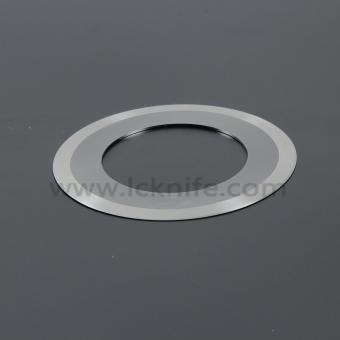
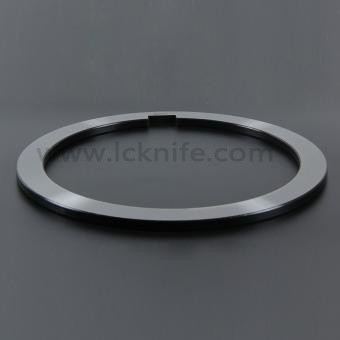
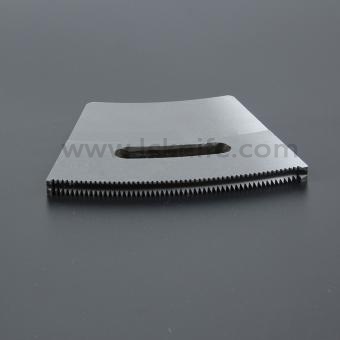
Фабрика клинков Мааньшань Личэнспециализируется на производствепромышленные ножи для стрижки овецИнструменты изготавливаются с использованием профессионального подбора материалов, идеально подходящих для конкретных задач резки листового металла. Для максимальной эффективности режущего лезвия в различных областях применения используются передовые процессы термообработки, включая вакуумную, криогенную и соляную обработку. Строгий контроль качества и точные стандарты производства гарантируют, что этим ножевым инструментам могут полностью доверять партнеры по всему миру.
Ma'anshan Licheng Blade Manufactory


 Сеть поддержка IPv6
 Сканирование в wechat: